Tales of all lengths and genres have their beginning in a vague idea, something that you think might make a good story. The basic structure of all narratives is similar across genres.
 First: Who are the players? If you are like me, you had the idea for a group of characters when you decided to write something. Maybe you want to write about your life experiences.
Second: What genre are you most drawn to as a reader? Do you see your work as a fantasy, sci-fi, mystery, thriller, romance, or memoir? A fiction project is easier to create if you know the genre you are writing in.
Perhaps you write both Cozy Romances and Military Thrillers. (Or other different genres). Consider using a different pen name for your second genre’s work.
Do you feel the urge to write poetry or songs? My poetry explores the fantasy that is the memory of my childhood home. When poetic words grip your imagination, write them down.
Free verse is a modern form that often doesn’t rhyme, but the cadence and pacing of the syllables still have rhythm. Traditionally structured poetry includes Odes, Haikus, Elegies, Sonnets, Dramatic Poetry, or Narrative Poetry.
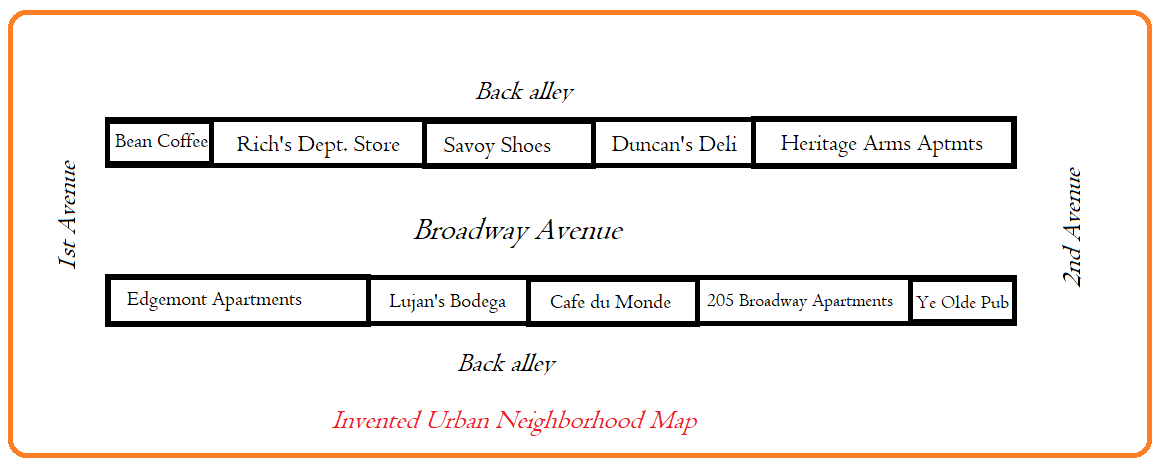
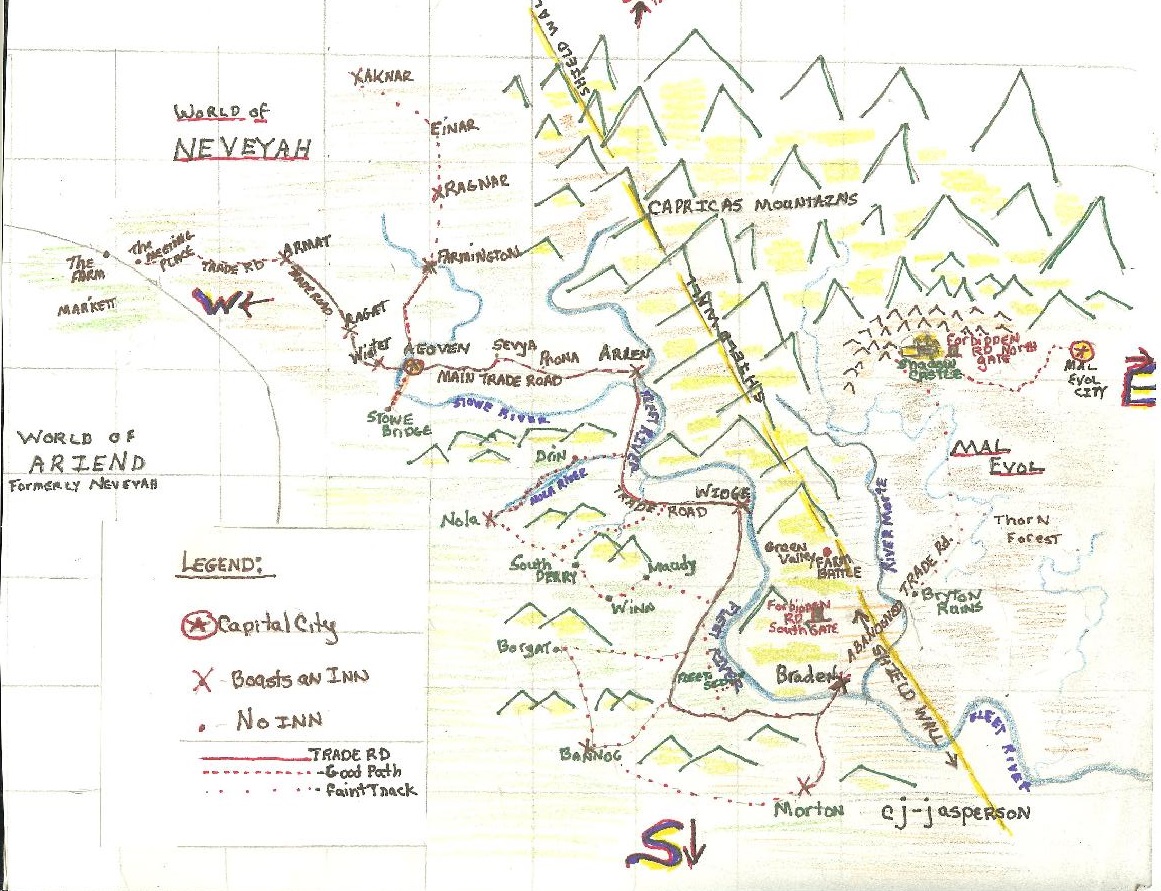
Third: Setting. Where does the story happen? Does it take place in a real-world urban environment, or a created, future, or alternate world?
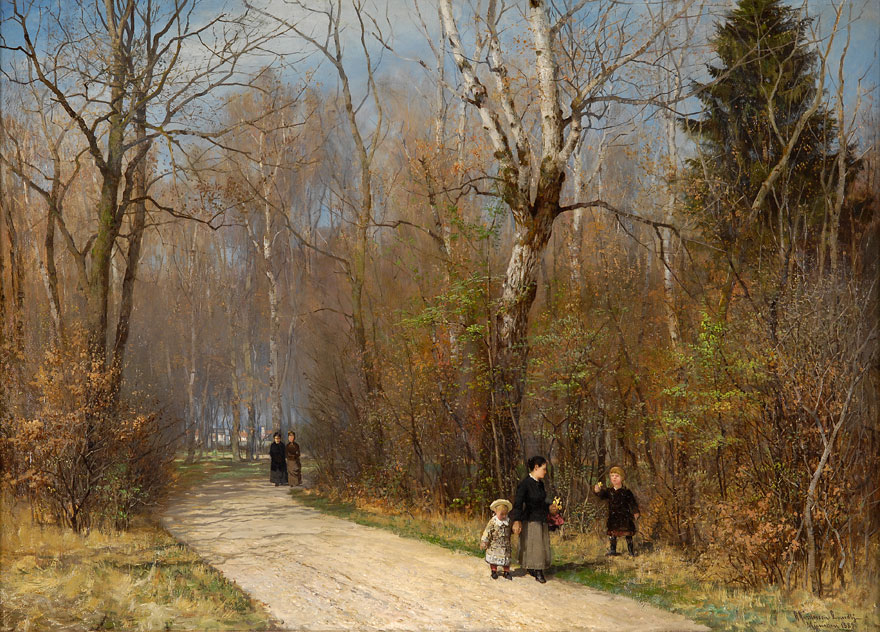
What kind of environment and set dressing do our characters see as the story opens? Show them in their comfort zone.
What level of technology do we have at our disposal? Do you have personal knowledge of this, or have you researched it?
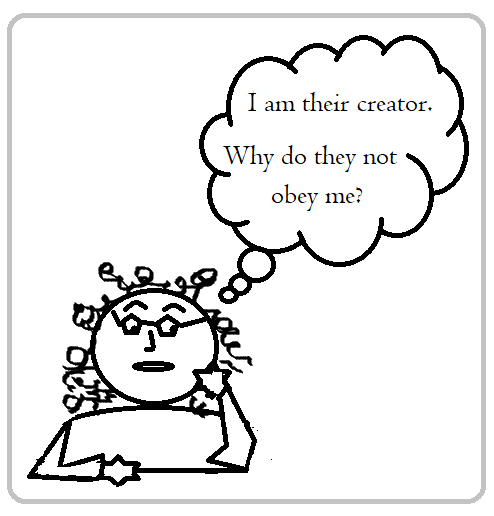
 Fourth: Narrative voice: Who is telling this tale? What do they have to say about it? Again, if you are like me, one character will begin to dominate the conversation.
Will you write it in first-person point of view or third-person? CAUTION: If you write it from the second-person point-of-view, it may read like the walk-through for an RPG.
When you write poetry or a memoir, you are telling the story by detailing your thoughts and experiences.
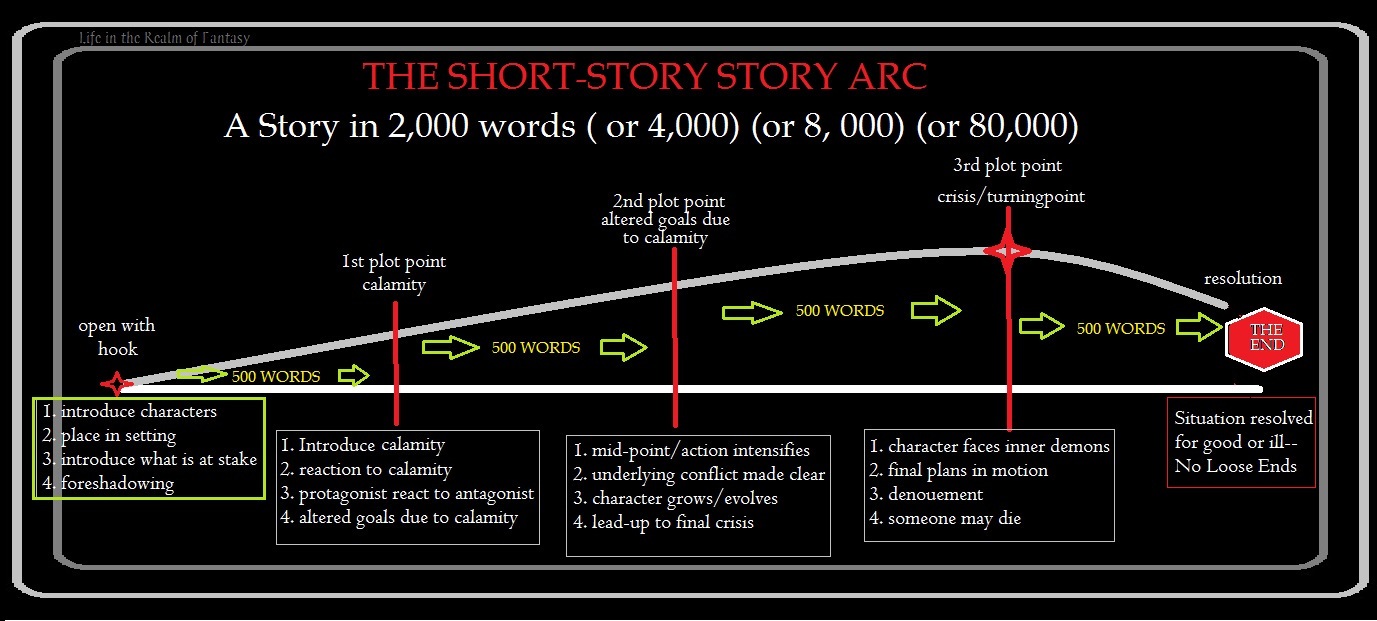
Fifth: The quest. This is the reason for the story. What pushes our protagonist out of their comfort zone? What is the point of no return, the incident that kicks the story into motion?
What do they lack, and how can they resolve it?
Why is this quest important, and what hindrances will they face? What is the worst-case scenario if their plan fails?
Fifth: The antagonist. Who or what blocks us from completing our quest successfully? Not every enemy is a person. Sometimes we must battle the aftermath of an earthquake or wildfire. Other times it is a storm or drought. Natural disasters inspire great stories.
When the antagonist is a person, human or alien, the key is to write them so they are not cartoonish. Write them as if they were as well-known to you as the protagonist is. Unless we are writing a comic book or comedy, we want our evil genius to be both menacing and with motives that are completely believable.
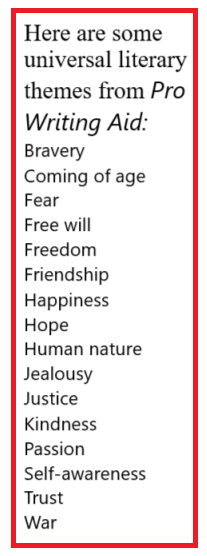 Sixth: Theme: A fiction project is easier to create if you can see the central theme that will bind it together. Whether writing a novel or short story, ask yourself what the central theme is. Theme is the core thread, such as love lost and regained or coming of age.
I find that writing to a theme helps me write a tale with a coherent arc and a relatable quest.
Seventh: Outline or not? Will you “pants it” through the plot or create a plot outline? Outlines are just me thinking out loud on paper. I work both ways when it comes to short stories.
Eighth: How long will this story be? I write a lot of short stories. In the beginning of your writing life, your work might be short forms too.
My publishing train was derailed for three years when my husband fell ill with late stage Parkinson’s. He passed away in July of this year and I am almost back to where I can cope with the finer details of publishing a professional looking book.
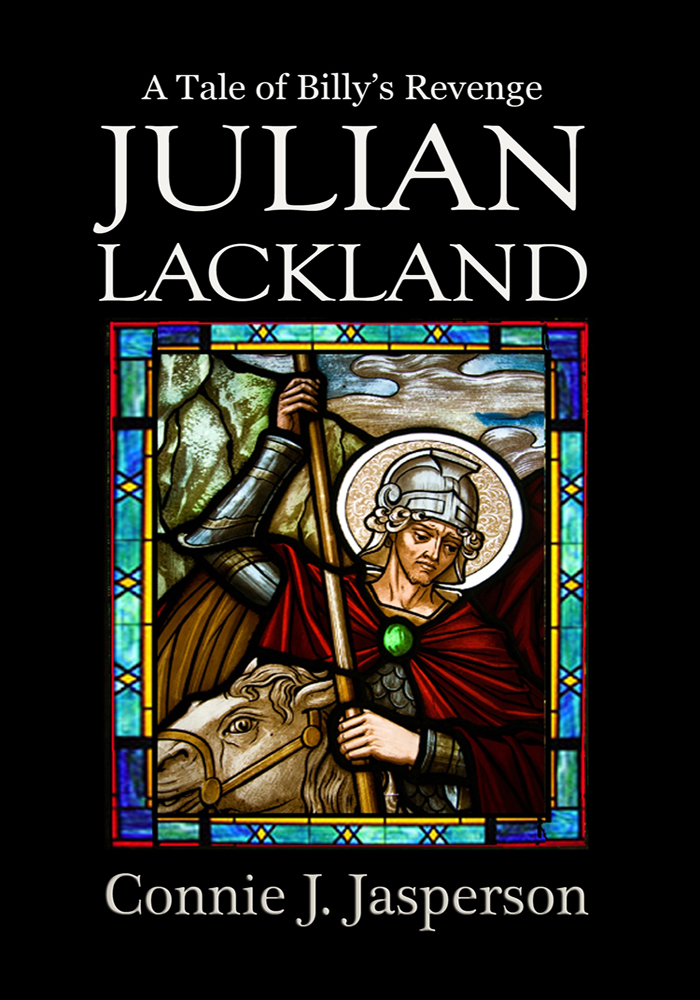
I have three novels in the works, one that has been completed and edited and left unpublished. I also have enough stories for a collection, which may be published before the novels. Short story collections work best when they are all in the same genre, and a theme or setting binds them together, featuring a recurring character or location. I do this for one series, but I’ll have to rely on a theme for the other collection.
- Anthologies feature a group of different authors, each contributing a short story in the same genre and centered around a specific theme.
- Short story collections feature the short works of one author, hopefully in the same genre. Genre is important, and if you write in multiple genres, don’t mix them. If you’re writing sci-fi or fantasy, you can get away with mixing them, but organize the book so each sub-genre is in its own section
To wind up this rant: I’ve had a blessed life. I write whatever I am in the mood for and have the time and opportunity to write. Free time is a luxury, one I appreciate more with each passing year. I have a group of fellow writers I can depend on for good advice and support when life is hard.
Writing is a budget-friendly pastime. Many free, excellent online resources are available for those facing financial struggles but who want to learn more about the craft of writing. Many cities and towns have writing groups that will accept new and beginning authors.
One excellent and free online group for new and beginning writers is Critters Writers Workshop. Take a look and see whether that group fits your needs.
Writing good work doesn’t happen overnight. You will spend time, years even, to get that vision written, revised, edited, and ready for publication. It takes an incredible amount of work and a continuing habit of self-education to grow as a writer.
But that effort is so worth it.
 Writing only becomes expensive when you reach the publishing stage. When your novel, memoir, or short story collection is finished, please consider hiring a freelance editor even if you plan to find an agent and go the traditional route.
This will be money well-spent.
Finally, if you are in the “just starting out” phase, please know that you are not alone. When you hold the finished product in your hand, you will know the struggle was worth it.